
Turin doesn’t always get the same attention as Rome or Milan when people talk about Italian coffee. But it should.
Long before espresso became the national standard, Turin was already shaping how Italians experienced coffee. Elegant, structured, and deeply tied to daily life, the city helped define a coffee culture that blends ritual, refinement, and innovation. And at the center of that story is Caffè Vergnano.
Where Italian Coffee Culture Took Shape
Coffee arrived in Turin in the 17th and 18th centuries, spreading from Venice into the northern regions of Italy. As the capital of the Kingdom of Savoy, Turin was a political and cultural hub, and its cafés quickly became gathering places for aristocrats, intellectuals, and business leaders.
These cafés were refined spaces. Marble tables, polished wood, and formal service created an atmosphere that felt elevated but still welcoming. Coffee wasn’t rushed. It was part of a broader social experience that often included chocolate, pastries, and conversation.
Turin also became known for combining coffee with chocolate, giving rise to one of its most famous contributions: bicerin. This layered drink of espresso, hot chocolate, and cream is still served today and perfectly reflects the city’s style—rich, indulgent, and carefully composed.
Enter Caffè Vergnano

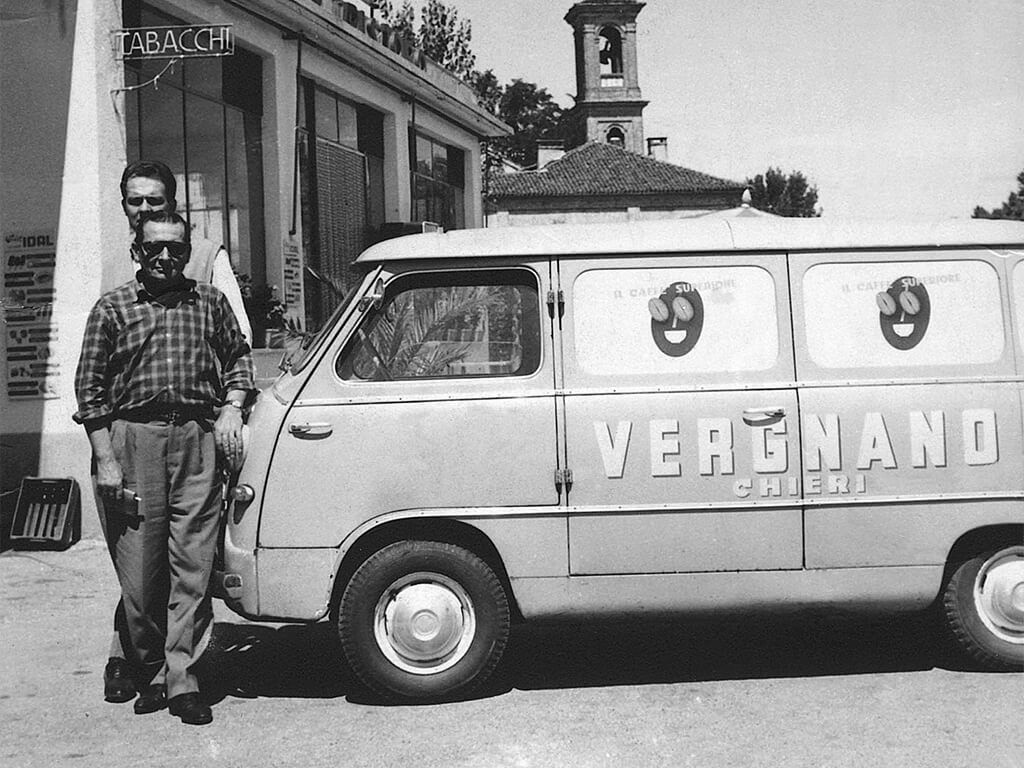
Caffè Vergnano’s story begins in 1882, when Domenico Vergnano opened a small grocery store in the town of Chieri, just outside Turin. Like many shops of the time, it sold coffee alongside other goods. But it didn’t stay small for long.
As demand for quality coffee grew, the Vergnano family began roasting their own beans. By the early 20th century, they were importing coffee directly from origin countries, building relationships that would become a defining part of the brand.
Over generations, Caffè Vergnano expanded steadily while maintaining its identity as a family-run business. Today, it’s one of Italy’s oldest and most respected coffee companies, still rooted in the Turin area.
A Different Kind of Italian Coffee

Turin’s approach to coffee has always been a little different.
While southern Italy often leans toward darker, more intense roasts, Turin tends to favor balance and elegance. There’s a focus on smoothness, structure, and layered flavor rather than sheer strength.
That philosophy shows up clearly in Caffè Vergnano’s coffees. Their blends are designed to be:
- Well-balanced
- Aromatic but not overpowering
- Smooth with a clean finish
They work beautifully as espresso, but they’re also approachable enough for longer coffee preparations. It’s coffee meant to be enjoyed, not rushed.
From Local Roaster to Global Name
Caffè Vergnano has grown far beyond its Piedmont roots, with cafés and distribution around the world. But the company has held onto what made it special in the first place.
It still emphasizes:
- Direct sourcing relationships
- Careful roasting techniques
- Consistency across blends
In recent years, the brand has also leaned into sustainability and modern café culture, all while keeping its heritage front and center.
Even as it expands globally, Turin remains its foundation.
Turin Today: Quietly Influential
Walk through Turin today and you’ll still feel that historic coffee culture. The cafés are elegant but not flashy. Locals take their time. Coffee is part of a larger experience that includes food, conversation, and atmosphere.
You’ll find espresso, of course. But you’ll also find drinks like bicerin, along with pastries and chocolate that reflect the region’s culinary strengths.
Turin doesn’t chase trends. It refines tradition.
A City That Defined the Experience

If Naples represents intensity and Florence represents balance, Turin represents refinement.
Caffè Vergnano embodies that identity. From a small shop in Chieri to an internationally recognized coffee name, the brand carries forward a distinctly Turinese approach to coffee—one built on quality, consistency, and quiet confidence.
In Turin, coffee isn’t just part of the day. It’s part of the culture. And it has been for centuries.
Share:
Coffee in Munich: Tradition, Elegance, and the Legacy of Dallmayr
What’s the Difference Between Arabica & Robusta Anyway?