
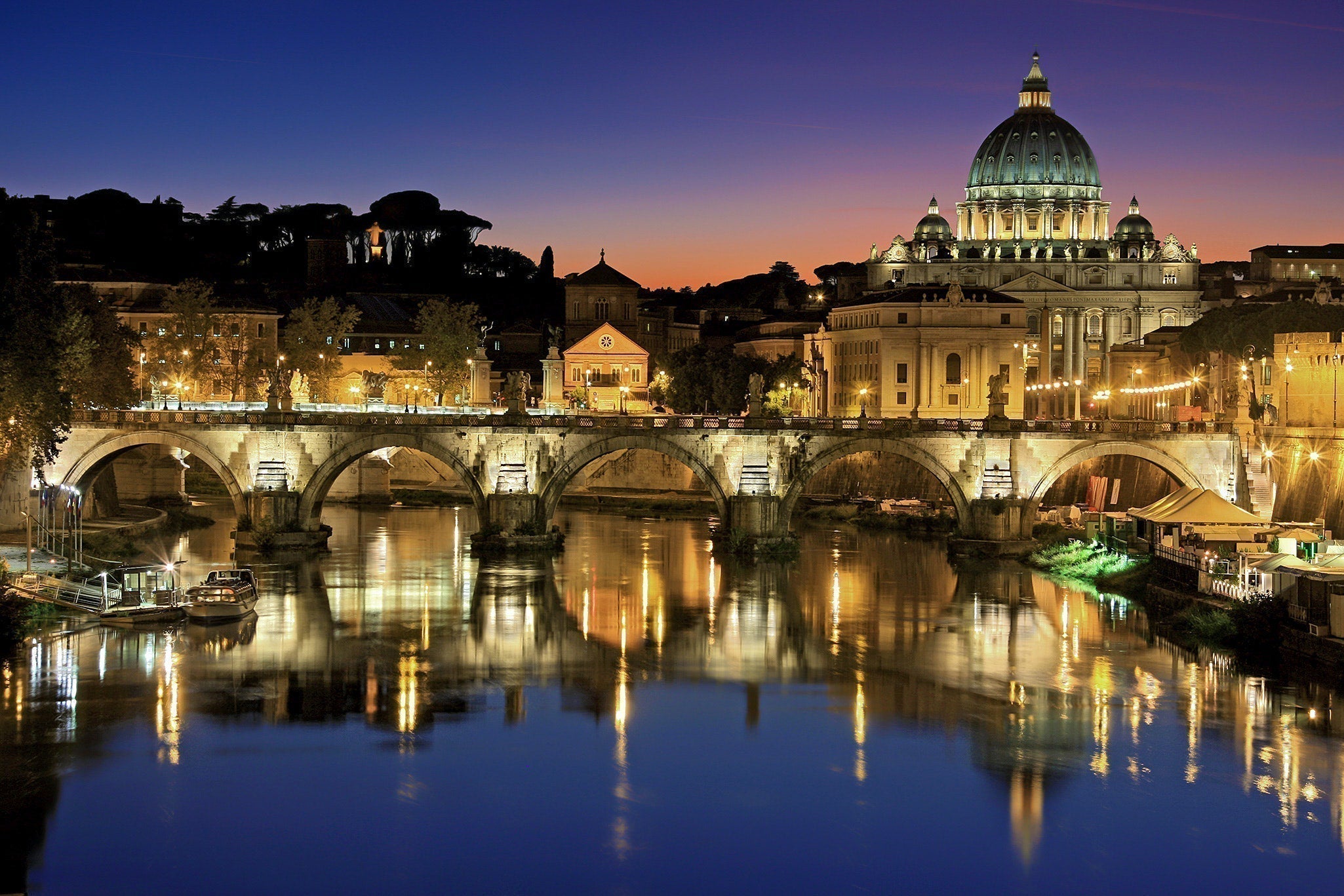
Italy is often spoken about as if it has a single, unified coffee culture—but step into a bar in Rome, Milan, Naples, or Trieste and you’ll quickly realize that espresso means something slightly different in each place. While the rules of Italian coffee are broadly shared, Rome has developed a style all its own, shaped by history, pace, and a uniquely Roman sense of ritual.
The Italian Coffee Foundation
Across Italy, coffee is defined by a few near-universal principles:
-
Espresso is short, intense, and meant to be consumed quickly
-
Milk-based drinks are typically reserved for the morning
-
Coffee is usually drunk standing at the bar, not lingered over
-
Price and quality are tightly regulated by local expectations
Whether you’re in Florence or Bologna, ordering an espresso will get you something familiar. But familiarity is where the similarities end.
Rome: Coffee as Daily Ritual

In Rome, coffee is less about refinement or experimentation and more about consistency and cadence. Romans drink coffee the way they walk the city: often, efficiently, and repeatedly.
A Roman might stop for espresso several times a day—before work, mid-morning, after lunch, and sometimes again in the late afternoon. These visits are brief, rarely lasting more than a minute or two, but deeply habitual. The barista often knows the order before it’s spoken.
Roman espresso tends to be:
-
Slightly fuller-bodied
-
Balanced with natural sweetness
-
Designed to be satisfying without sugar
Bars like Sant’Eustachio Il Caffè and Tazza d’Oro exemplify this approach: espresso as something perfected long ago and faithfully repeated.
Northern Italy: Precision and Elegance
Travel north to cities like Milan or Turin and the tone changes. Northern Italian coffee culture places more emphasis on precision, presentation, and technical consistency.

Espresso here is often:
-
Lighter in body
-
Sharper in acidity
-
Served in meticulously clean, modern spaces
Milanese coffee bars mirror the city itself—polished, efficient, and design-conscious. There is less tolerance for variation and more focus on uniformity. Coffee feels closer to a product than a ritual.
Naples: Intensity and Emotion

If Rome values balance, Naples celebrates intensity. Neapolitan espresso is famously dark, bold, and unapologetic. It’s often served piping hot, with a heavy body and pronounced bitterness.
Coffee in Naples is also deeply social. Traditions like the caffè sospeso—paying forward a coffee for someone else—highlight how espresso functions as an emotional and communal gesture, not just a beverage.
Compared to Rome’s steady rhythm, Naples feels expressive and dramatic, with coffee as a form of identity.
Trieste and the Borderlands
In Trieste, Italy’s historic coffee port, the culture reflects Central European influence. Orders are precise, terminology is unique, and the city has long been associated with coffee trade and roasting.
Here, coffee feels intellectual and historic—less rushed than Rome, less intense than Naples, but deeply informed by global coffee movements.
What Makes Rome Unique
Rome’s coffee culture sits somewhere in the middle of Italy’s extremes. It avoids Naples’ theatrical intensity and the north’s cool detachment, instead offering something quietly confident.
What sets Rome apart is:
-
Loyalty to specific neighborhood bars
-
A preference for balance over extremes
-
A resistance to trends or reinterpretation
-
Coffee as an everyday constant rather than a specialty pursuit
Romans don’t talk much about their coffee. They simply drink it—again and again, year after year, at the same counter.
One Country, Many Cups

Italian coffee culture isn’t a single story—it’s a collection of local habits shaped by geography, history, and temperament. Rome’s contribution is subtle but enduring: espresso as ritual, not performance.
In the end, Rome doesn’t claim to have the best coffee in Italy. It doesn’t need to. It just keeps serving it the same way it always has—and trusts that you’ll come back tomorrow.
Share:
Robusta: The Unsung Hero
The History of Sant’Eustachio Il Caffè: Rome’s Enduring Espresso Legend