
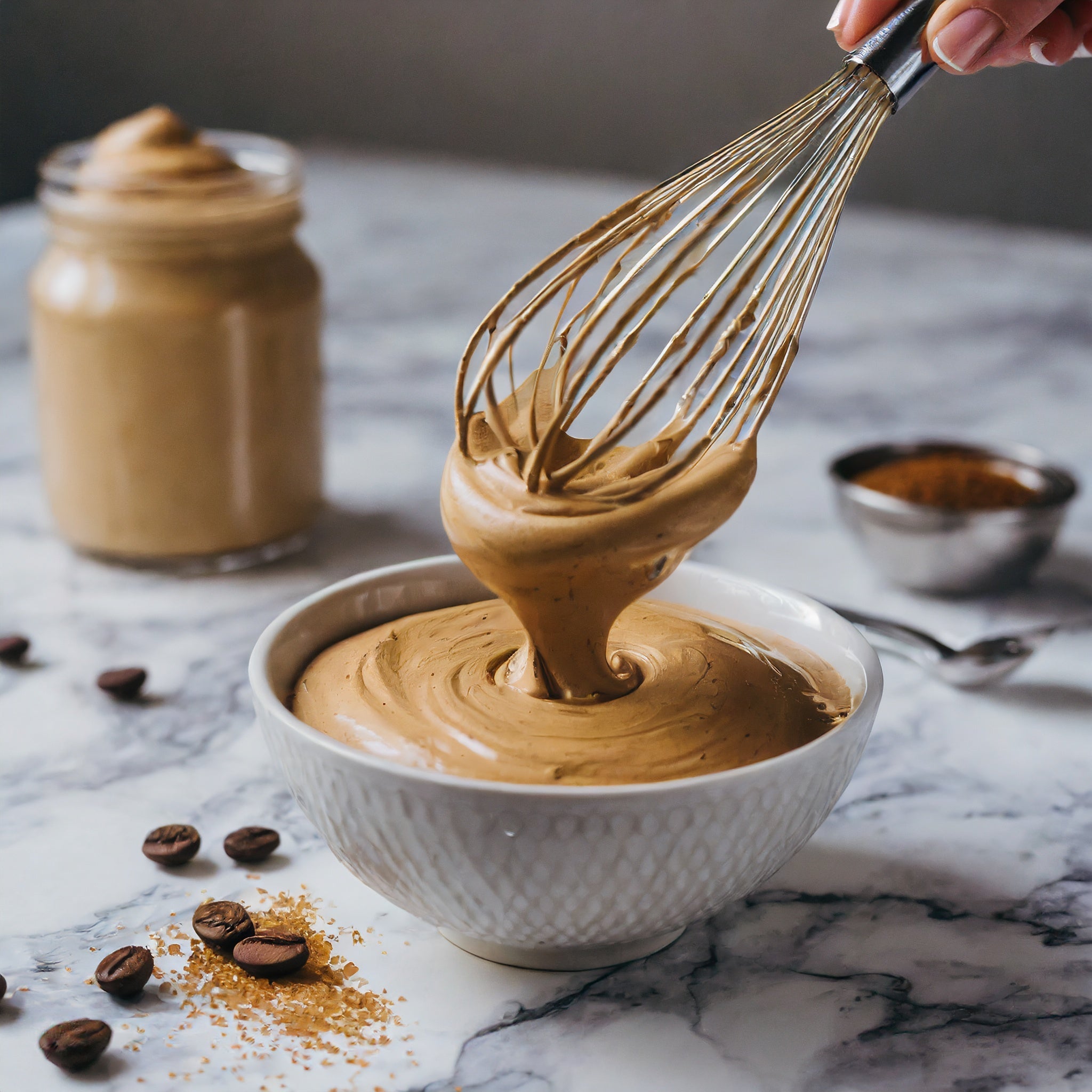

For most of its history, instant coffee has been about speed and simplicity. Then, almost overnight, it became a global phenomenon, thanks to Dalgona coffee.
In early 2020, as people around the world stayed home, a whipped coffee drink began flooding social media. Made with just instant coffee, sugar, and hot water, Dalgona coffee was visually striking and oddly satisfying to make. The contrast between fluffy coffee foam and cold milk turned an everyday ingredient into something theatrical.
Where the Name Comes From
Despite its viral fame, Dalgona coffee didn’t originate on TikTok.
The name “Dalgona” comes from a Korean street candy made from melted sugar and baking soda, known for its light, airy texture. The drink was named after the candy by a South Korean actor during a TV appearance, and the comparison stuck.
Interestingly, the whipped coffee itself had existed in various forms for years, including similar drinks in India, Greece, and Macau. What changed wasn’t the recipe; it was the timing.
Why Instant Coffee Was Essential

Dalgona coffee only works with instant coffee. Brewed coffee won’t whip, because the dehydration process used in instant coffee creates soluble compounds that trap air when whipped with sugar and water.
This made instant coffee, often overlooked or dismissed, the star ingredient.
A Symbol of a Moment
Dalgona coffee became more than a drink. It was a shared ritual during a strange, isolated time. People made it at home, posted their results online, and connected through a simple recipe that required no special equipment.
Its popularity faded as routines returned, but its impact stuck.
The Legacy of Dalgona Coffee
Dalgona didn’t reinvent coffee; it reframed instant coffee. It showed that even the most utilitarian coffee format could be playful, creative, and communal.
For a brief moment, instant coffee wasn’t just convenient.
It was fun.
Share:
A Brief History of Instant Coffee: Convenience Changes Everything
Truffles: Italian Luxury on Your Plate