
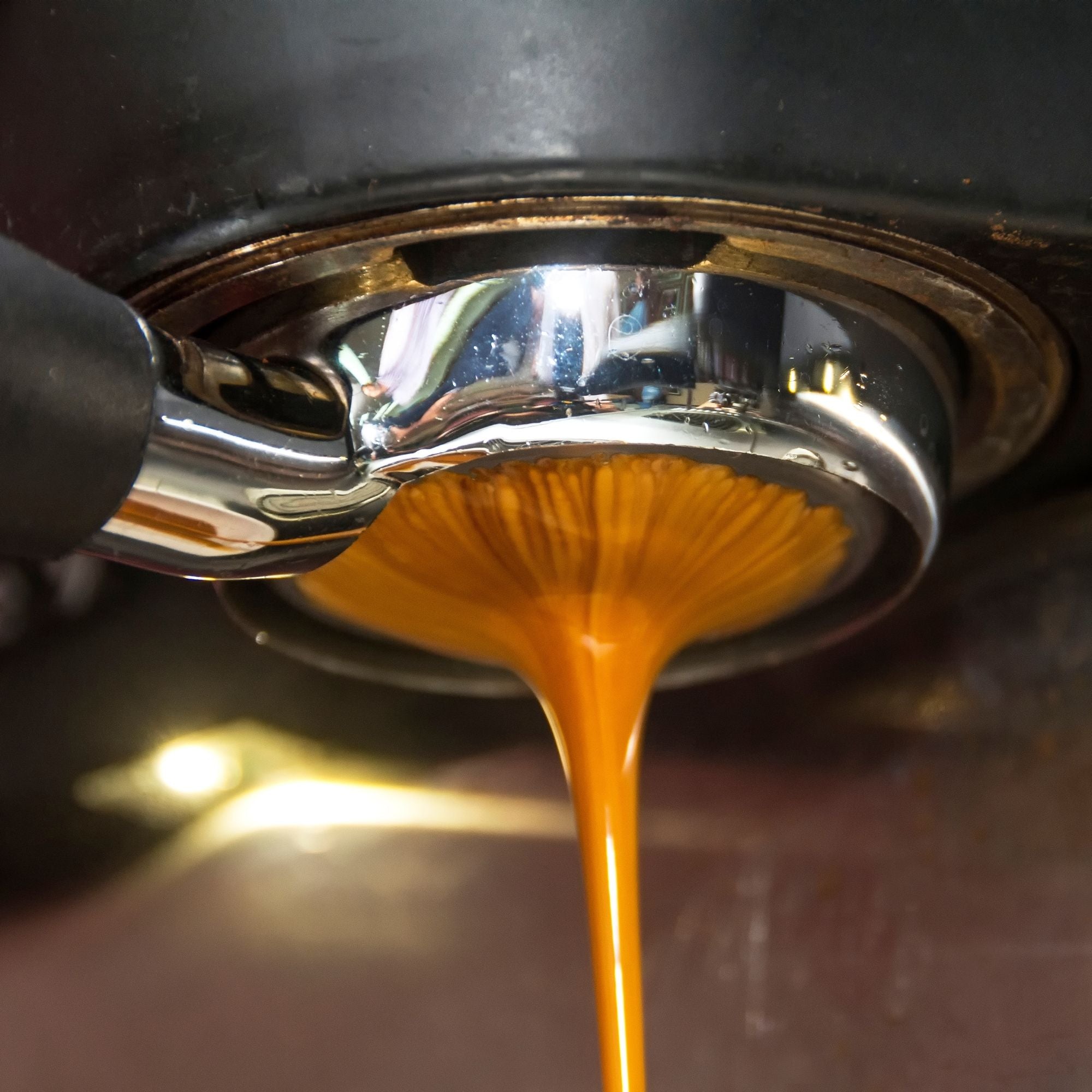

Espresso is more than a drink—it’s a ritual, a technology, and a defining symbol of modern coffee culture. But espresso as we know it didn’t simply appear overnight in Italian cafés. It emerged from a mix of industrial innovation, changing social habits, and a relentless pursuit of better flavor in less time.
Before Espresso: Coffee Takes Its Time
Before the late 19th century, coffee preparation in Europe was slow and often inconsistent. Coffee was typically brewed by boiling grounds in water or steeping them for long periods. The results were variable—sometimes bitter, sometimes weak—and the process didn’t suit the faster pace of city life brought on by industrialization.
As factories and offices reshaped daily schedules, people wanted coffee that was quick, strong, and made fresh to order. This demand for speed would ultimately give espresso its name.
The Birth of the Espresso Machine
In 1884, Italian inventor Angelo Moriondo patented one of the first machines designed to brew coffee rapidly using steam pressure. While groundbreaking, his machine was large and impractical for widespread café use.
That changed in the early 1900s when Luigi Bezzera refined the concept. He developed a machine that could brew single cups quickly using pressure and steam, dramatically reducing wait times. Soon after, Desiderio Pavoni purchased Bezzera’s patent and commercialized the design, introducing espresso machines to cafés across Italy.
Early Espresso Was Different

Early espresso wasn’t quite what we drink today. These machines used steam pressure (around 1–2 bars), which often resulted in coffee that was intense but sometimes harsh and bitter. There was no crema yet, and the flavor profile leaned smoky and heavy.
Still, espresso was a revelation:
-
Brewed in seconds
-
Made fresh per cup
-
Served standing at the bar
-
Strong enough to fuel a workday
It quickly became woven into Italian daily life.
The Lever Machine and the Birth of Crema
A major breakthrough came after World War II. In 1947, Achille Gaggia introduced the lever-driven espresso machine. Instead of steam, it used manually applied pressure from a spring-loaded lever, reaching about 8–9 bars.
This innovation transformed espresso:
-
Extraction was smoother and more balanced
-
Oils emulsified into a golden foam—crema
-
Espresso became richer, sweeter, and more aromatic
At first, customers were suspicious of the crema, thinking it was a flaw. It soon became espresso’s signature.
Espresso Goes Global
By the mid-20th century, espresso machines had spread beyond Italy to the rest of Europe, then to Australia and the United States. Italian immigrants brought espresso culture with them, opening cafés that emphasized craftsmanship, social connection, and speed.
In the late 20th century, specialty coffee movements—particularly in the U.S.—reframed espresso once again. Lighter roasts, precision grinders, and temperature-controlled machines revealed new flavor possibilities, pushing espresso from tradition into experimentation.
Espresso Today

Today, espresso sits at the center of modern coffee culture. It’s the base for countless drinks—cappuccinos, lattes, americanos—but it also stands alone as a benchmark of skill. A great espresso balances sweetness, acidity, and bitterness in a single concentrated sip.
From industrial-age invention to everyday ritual, espresso is proof that technology and taste can evolve together—without losing soul.
Why Espresso Still Matters
Espresso’s enduring appeal isn’t just about caffeine. It’s about intention: coffee made fresh, on demand, with care. Over a century later, that original idea still defines what great coffee should be.
Share:
The History of Sant’Eustachio Il Caffè: Rome’s Enduring Espresso Legend
Modern Espresso: From Italian Bars to Your Kitchen Counter