
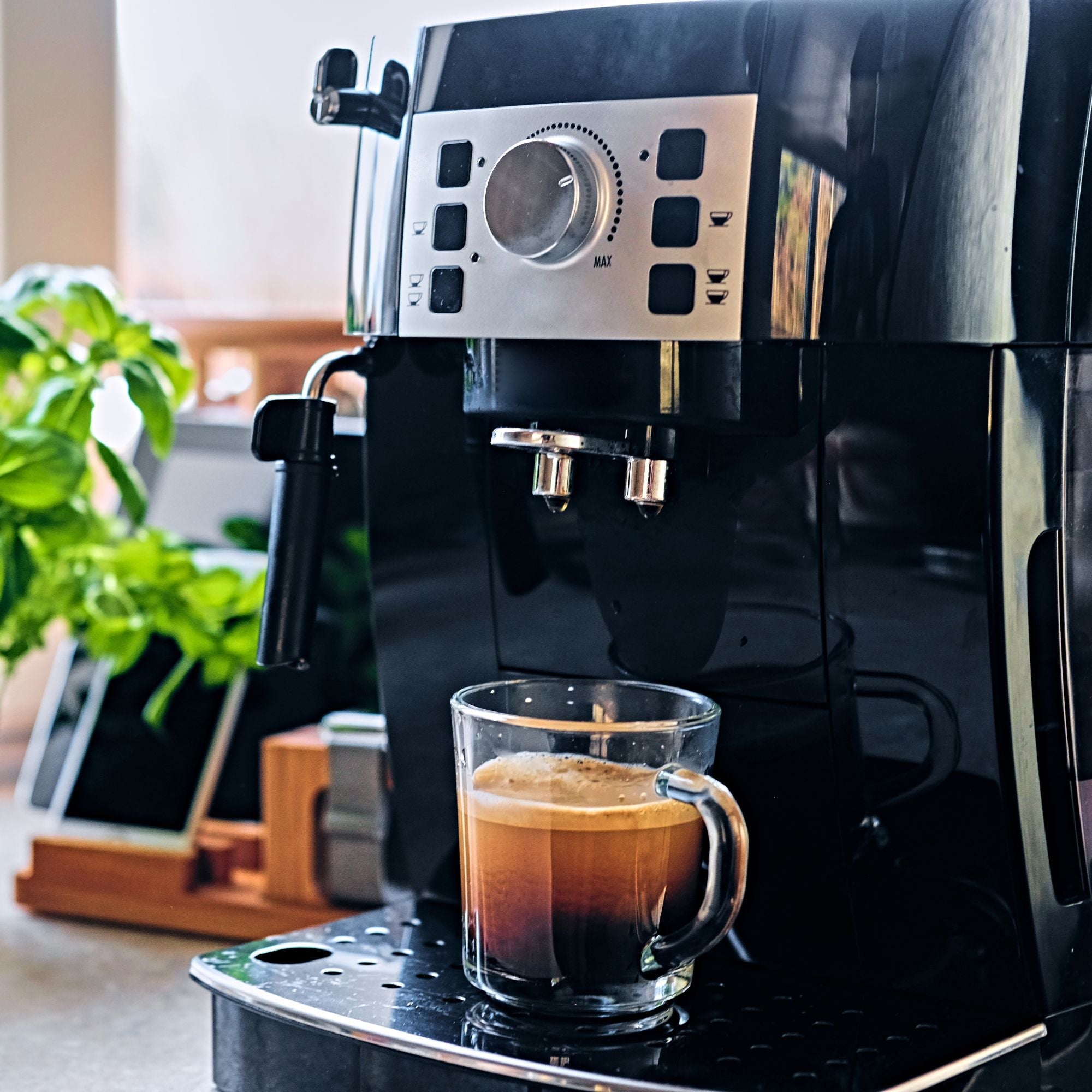

Espresso may have been born in early-20th-century Italy, but today it’s a global language of coffee. While the core idea remains the same—hot water pushed through finely ground coffee under pressure—modern espresso has evolved into something more precise, more expressive, and more accessible than ever before.
What was once exclusive to cafés is now brewed daily in home kitchens around the world.
What Defines Modern Espresso
At its core, modern espresso is defined by control. Temperature, pressure, grind size, dose, and extraction time are no longer approximations—they’re variables to be tuned.
Most contemporary espresso follows a general framework:
-
Pressure: ~9 bars
-
Water temperature: ~195–205°F (90–96°C)
-
Dose: ~18–20g of coffee
-
Yield: ~36–40g of liquid
-
Brew time: ~25–30 seconds
These numbers aren’t rules—they’re starting points. Modern espresso culture embraces adjustment based on the coffee itself.
Lighter Roasts, Bigger Flavor

Traditional Italian espresso often used darker roasts, prized for consistency and intensity. Modern specialty coffee has shifted toward lighter roasts, allowing origin characteristics—fruit, florals, sweetness, acidity—to shine.
This change required better equipment and technique. Lighter roasts are harder to extract well, pushing baristas and manufacturers toward:
-
More stable temperatures
-
Better grinders
-
More even extractions
The result? Espresso that can taste like berries, caramel, citrus, or chocolate—sometimes all in one cup.
The Rise of Precision Equipment
Today’s espresso machines bear little resemblance to their early ancestors. Modern commercial and home machines may include:
-
PID temperature control for stability
-
Pressure profiling to shape extraction
-
Pre-infusion to gently saturate the puck
-
Saturated or dual boilers for consistency
Grinders have evolved just as dramatically. Flat and conical burr grinders with precise adjustments are now recognized as just as important—if not more—than the espresso machine itself.
Espresso at Home: No Café Required

One of the biggest shifts in modern espresso culture is accessibility. Making excellent espresso at home is no longer reserved for professionals.
At-home espresso generally falls into three categories:
Manual & Lever Machines
These prioritize feel and involvement. They require more practice but offer deep control and ritual.
Semi-Automatic Machines
The most popular choice for enthusiasts. You control grind size, dose, and timing while the machine manages pressure and temperature.
Fully Automatic & Pod Machines
Designed for convenience. While they sacrifice some control and flavor potential, they’ve introduced espresso to millions of people worldwide.
What You Actually Need to Make Great Espresso at Home
Despite the gear hype, great home espresso comes down to a few essentials:
-
Great coffee
-
A capable grinder (this matters more than the machine)
-
Consistent dosing and tamping
-
Clean equipment
-
Patience and experimentation
A modest setup, well understood, will always outperform expensive gear used without intention.
Dialing In: The Modern Espresso Skill
Modern espresso culture embraces the idea of dialing in—adjusting grind size, dose, and yield until the coffee tastes right.
If espresso tastes:
-
Sour: grind finer or extract longer
-
Bitter: grind coarser or shorten extraction
-
Flat: adjust dose or brew ratio
This process turns espresso from a fixed recipe into an ongoing conversation between brewer and bean.
Espresso Today: Tradition Meets Curiosity
Modern espresso hasn’t replaced tradition—it’s expanded it. Italian bar culture still thrives, while specialty cafés and home brewers continue to push boundaries. More than a century after its invention, espresso remains exactly what it was meant to be—coffee made with intention, for the moment you’re in.
Share:
Espresso: How a Fast Cup Changed Coffee Forever
German Coffee Culture: A History of Tradition, Cake, and Conversation