
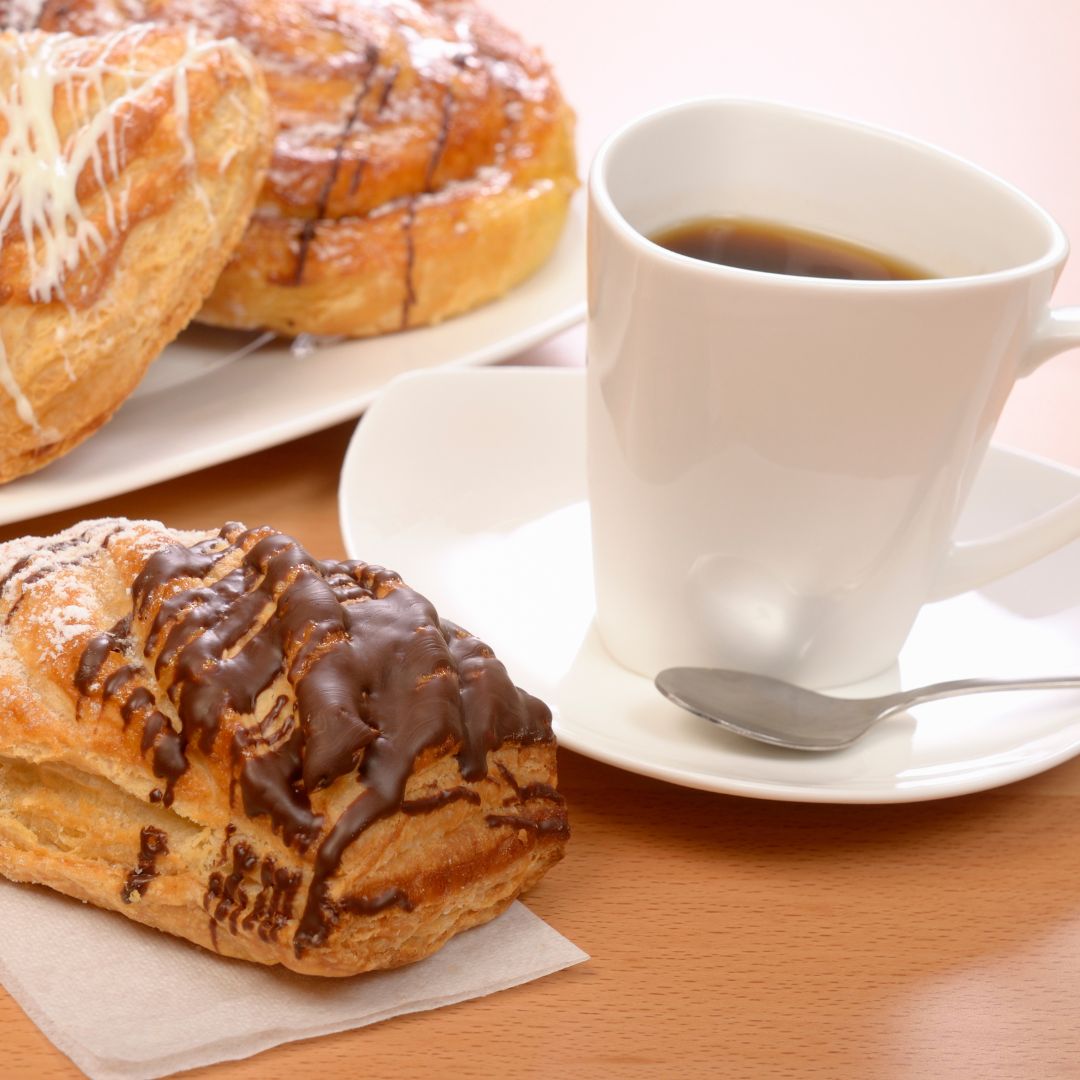
When people think of European coffee culture, Italy and France usually steal the spotlight. But Germany has one of the deepest, most tradition-driven coffee cultures in Europe, shaped less by speed and intensity and more by time, comfort, and community.
German coffee history isn’t about standing at a bar and knocking back a shot — it’s about sitting down, slowing down, and staying awhile.
Coffee Arrives in Germany

Coffee reached German-speaking regions in the late 17th century, initially through port cities like Hamburg and Bremen. As in much of Europe, coffee was first associated with the elite, intellectuals, and urban society.
By the 18th century, coffeehouses had spread across major cities, becoming centers for discussion, reading, and social life. But unlike the café cultures of Paris or Vienna, German coffee culture gradually moved into the home.
Kaffee und Kuchen: More Than a Phrase
No tradition defines German coffee culture more than Kaffee und Kuchen — literally “coffee and cake.”

Emerging in the 19th century, this afternoon ritual became a structured social pause, usually between 3 and 5 p.m. Families and friends gather around a table for brewed coffee and homemade cake, often on Sundays.
This wasn’t casual snacking — it was intentional hospitality:
-
Coffee brewed fresh for guests
-
Cake served as a sign of care and effort
-
Conversation as the centerpiece
In many ways, Kaffee und Kuchen is Germany’s answer to afternoon tea.
Coffee During Hard Times
Coffee’s importance in Germany became especially clear during periods of scarcity. During World War II and the postwar years, real coffee was rare and expensive. Coffee substitutes (Ersatzkaffee) made from chicory, barley, or acorns became common.
Despite this, coffee never lost its emotional value. When real coffee returned in the 1950s during Germany’s economic recovery, it became a symbol of normalcy, prosperity, and togetherness.
Filter Coffee Becomes the Standard

Germany played a major role in shaping modern home coffee brewing. In 1908, Melitta Bentz, a German housewife, invented the paper coffee filter, forever changing how coffee was made at home.
This innovation cemented filter coffee as Germany’s dominant style. Clean, consistent, and easy to brew for groups, it perfectly matched German coffee’s social purpose.
Coffee as a Social Anchor
Even today, coffee in Germany is less about personal customization and more about shared experience. It’s an invitation, a reason to gather, and a pause in the day — not something to rush through.
German coffee culture values:
-
Hospitality over speed
-
Comfort over intensity
-
Routine over novelty
It’s coffee designed to bring people together.
Share:
Modern Espresso: From Italian Bars to Your Kitchen Counter
What Makes German Coffee Different From Everywhere Else?